The Component You Already Own
July 21, 2026
The Space Between the Speakers
August 31, 2026Before the speakers, before the room, there is the chair. It may be the most important decision in the room, and you have probably already made it without thinking.
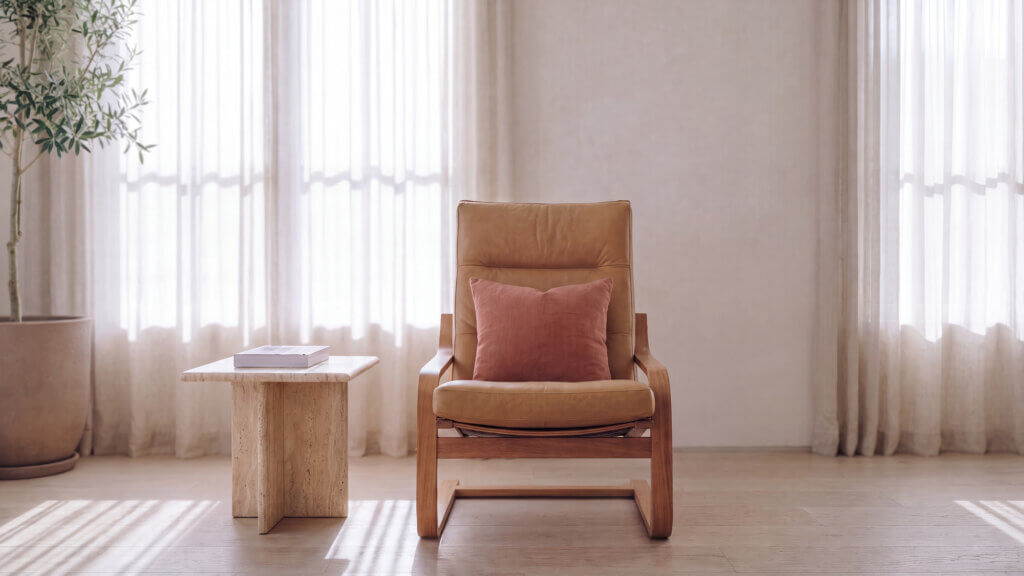
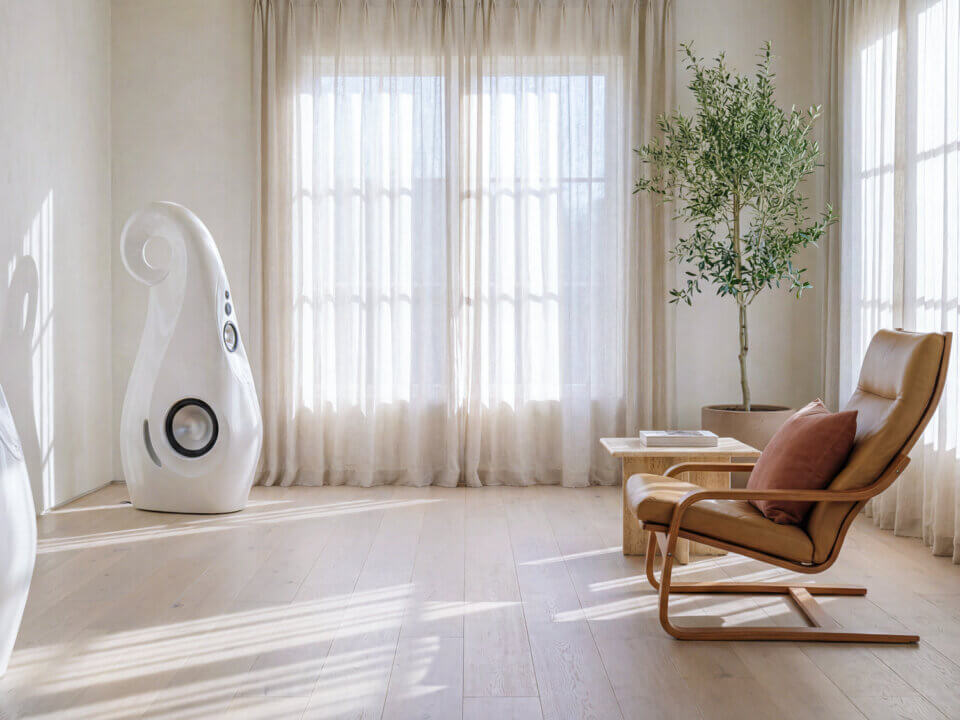
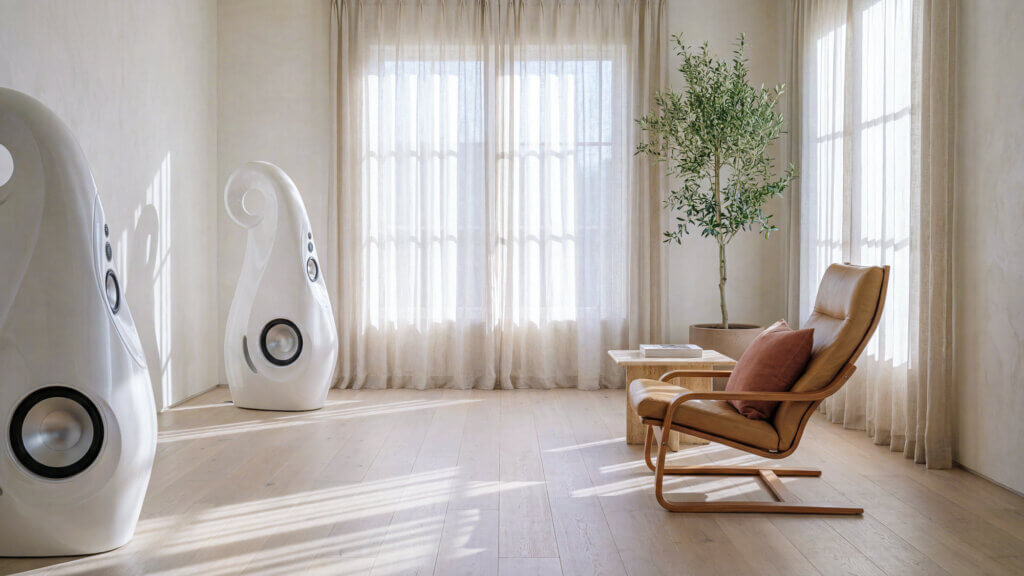
Every home has a chair that is yours. The one you return to at the end of the day, when the house has gone quiet and the light has gone low. You did not choose it from a plan. You found it over time, the way you find most of the things that matter, by sitting in many places until one of them felt like the place to stay.
That chair is where the whole experience of music in your home begins. Not the speakers. Not the room. The seat.
Everything is aimed at one place
A room full of sound is not the same in every corner of itself. Move three steps in any direction and the music changes. The bass swells in one spot and thins in another. A voice that was centered slides to one side. The space that had opened around an instrument quietly closes. The room is not uniform. It has a geography, and somewhere within it there is a single place where everything resolves.
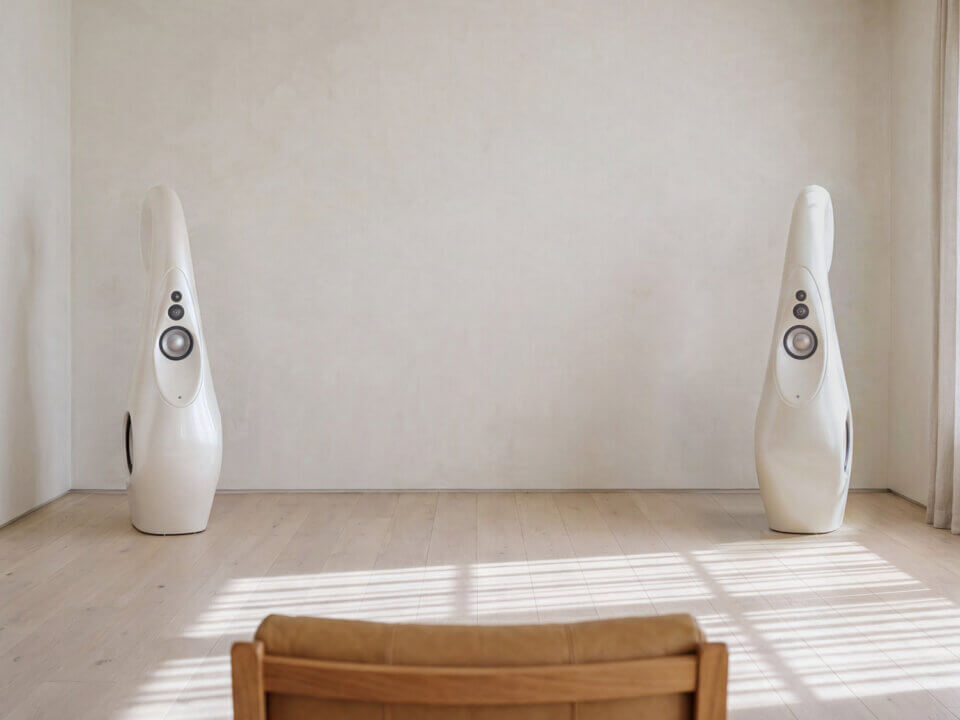
This is the place the whole system answers to. The speakers will be aimed at it. The room will be shaped around it. Every later decision, every refinement, will be made in service of one chair and the person sitting in it. Get the seat right and everything that follows has somewhere to arrive. Get it wrong and the finest system in the world spends its evening speaking to an empty part of the room.
The obvious place is rarely the right one
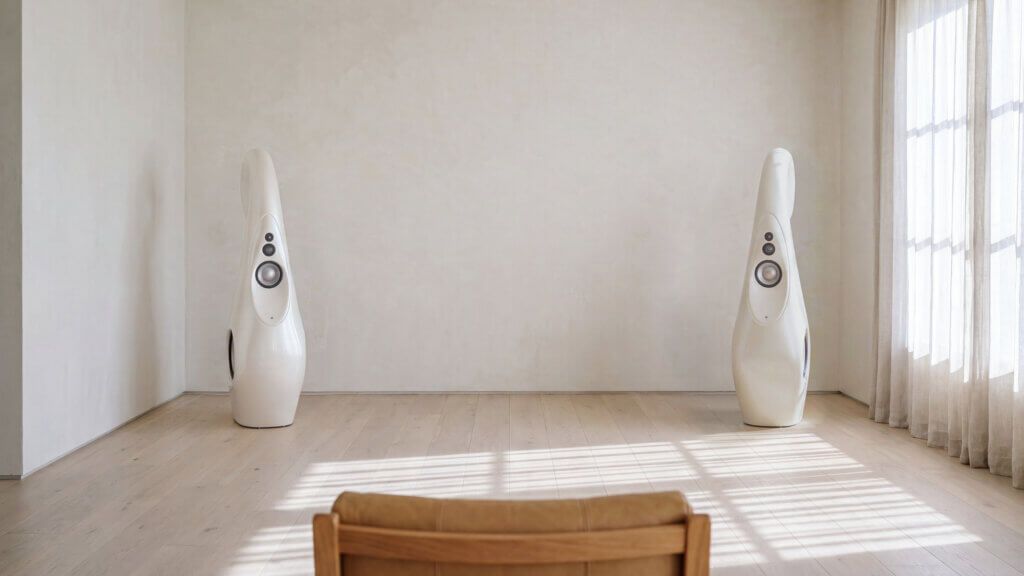
Most chairs end up where the furniture wanted them, not where the music does. Pushed back against the wall, because that is where a sofa goes. Or set in the exact middle of the room, because the middle feels like the natural center of things.
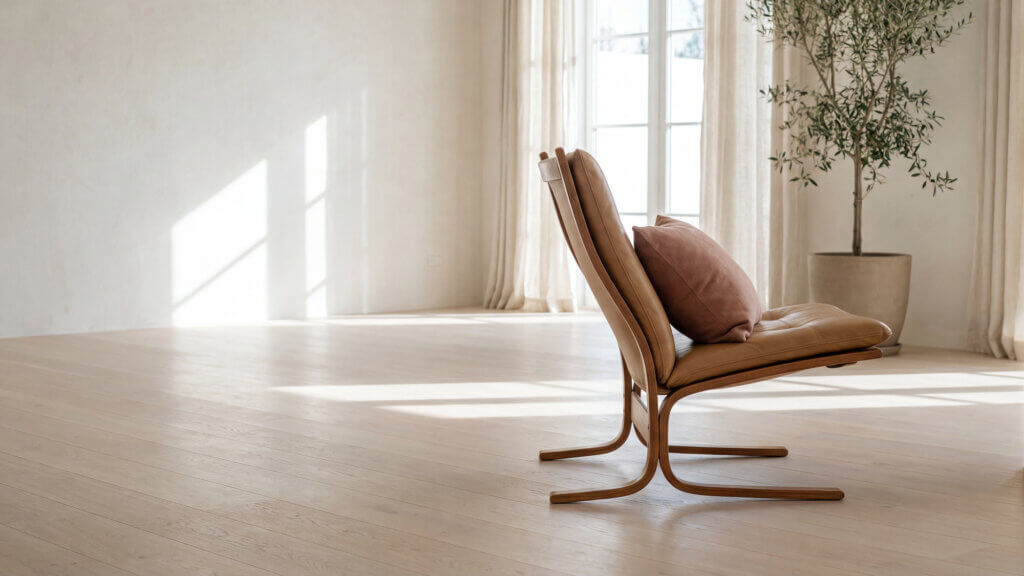
Both are usually wrong, and in ways you can feel before you can explain them.
A seat pressed against the wall hears the wall as much as the room. The sound arrives, strikes the surface just behind your head, and returns into your ears a moment later, thickened, hurried, robbed of its air. Move forward, even a little, and the air comes back. The seat likes a breath of space behind it.
The exact center is its own quiet trap. It is the one place in a room where certain notes meet their own reflections and cancel, where the bass goes hollow for reasons that have nothing to do with the recording and everything to do with the shape of the space. The remedy is not technical. It is a small move, a foot one way or the other, until the floor beneath the music feels solid again.
None of this asks for a purchase. It asks only that you treat the chair as a decision rather than an inheritance.
What changes when you move the chair
Find the right place and the change is immediate, and a little startling. The music gathers. The two speakers stop being two speakers and become a single image, a stage, a voice standing between them. The bass settles under everything like a foundation rather than a guest. The whole presentation steps into focus, the way a photograph does when the lens finally lands.
You did not change a single component. You changed where you were sitting. And that, more than almost anything you could have brought into the room, is what made the difference.
Where this leads
The seat is the first of two decisions that cost nothing and change everything. The second is its partner: where the music comes from. A chair and a pair of speakers are in conversation, and the conversation only works when both are placed with the same care. That is where we turn next.
For now, the invitation is simple. Sit somewhere new in your own room this evening, and notice what moves. The best seat in the house is rarely the one you have been using, and finding it is free.
By invitation. By appointment. By design.
The Same Question, Answered for Your Room
Finding a better seat by ear is real progress. Knowing why that seat works, and where else your room would let you sit, is another question. Resonance was built to answer it. Our sister company reads your space and returns a report that ranks what to change and in what order, beginning with the moves that cost nothing at all. Where a finding rests on the physics of the room, it says so. Where it needs a microphone to confirm, it says that too. The rest of the system you can judge by ear. This is the part you were never given a way to read.